Machine-generated transcript, lightly edited for readability. It may contain transcription errors.
And if you were to give one piece of advice to maybe a couple that they want to do join, do business together, maybe in the same industry as you, or it could be any other industry, what would you tell them? I would say just do it. Uh, yeah. I don't know why so many people think that running a business or building a business together as a couple is so hard.
For us, it's just been natural. Actually, I think it's been the key of our success. Sure. When someone is not at their peak, uh, it's the other one to be there to support.
Yeah. So I think we're much stronger together. So don't be too scared and thinking that this is going to be hard and this is going to, like, bring frustration. For sure it's going to bring some challenges, like every single couple, but it's just part of life.
And, and if you're, if you're really passionate about it and both kind of both super passionate about what you're doing, this is going to go very well and you're definitely going to be much stronger together. Well, welcome Nicolas to the Montreal Entrepreneur Podcast (now The Vault MTL). It's a pleasure to have you and Élodie. You know, I'm sure we're going to have a great discussion about Mathena.
Thanks for having us. Yeah, you're welcome. To begin with, please share with us the story behind Mathena. Well, long story short, it's a very, very long story.
So We'll try to make it like as short as possible for the sake of the interview. But essentially, we always say that mainly Matina is a passion that turned into a business. And actually, that passion was born from a love for languages. I've always loved languages.
And that's a, that's a skill that I've always wanted to have, to be able to speak multiple languages. I think it's something so useful when you travel and especially now in own business as well. So I've been with Elo. We're a couple, uh, she was my partner in life.
We've been together for over 10 years now, and a long, long time ago we were both working in totally different fields. I was studying in the land surveying, geomatics, mathematics, uh, something super, super boring, far from—. Super different. Yeah, super different from what we're doing today.
But one day I said, okay, I want to go, like, it's time for me to level up my Spanish. I'm already like comfortable speaking it, so I want to bring it to the next level. So I told Elodie, I'm leaving for summer, I'm going to spend a couple months in South America. You're not invited.
Oh wow, a couple of months? Yeah, so I'm leaving in South America. I don't know where exactly, but I'd love to go teach ski in Argentina or Chile. We were dreaming about traveling the world together at this time of our relationship.
So we— I accept to let him go without me, but we made the deal that we will meet somewhere in the world after 2 months. Yeah, so that was part of the deal. So start by yourself and we meet. So I made— I updated my resume.
I put that I was an experienced, uh, ski coach, uh, because I think in South America like the level is much lower, definitely, than Canada, for example. So I said, okay, I'm going to get— I'm going to be fine. But if I want to find a job as a ski instructor, I need some background because I'm a good skier, but I'm not like an expert or a coach. So I sent my resume to all resorts in South America.
Got a few answers, but I got a job at the smallest, one of the smallest ski resorts, possibly. It's a small volcano called Volcán Antuco in southern Chile. It was actually the perfect place is because this is super rural, so nobody speaks English or French or anything like that. It's pure Spanish.
Yeah. So it was a good setup for me. So it was June, middle of the— beginning of the summer here. I leave, super, super shocked when I got there, out of my comfort zone.
I land, this is big, the Andes, full of snow, cold winter. So definitely a difficult couple first days. I even— I remember I called Elo and I was like, not sure. He was freaking out.
This is gonna work. Like, yeah, I want to go back. This is not the Spanish that I got in my classes at all. Like, because in Duolingo— yeah, in Duolingo.
I've done a bunch of Duolingo. I was like, this is not— didn't help thing. Like, I'm not sure I'm gonna be able to teach ski classes, but like, because it's more technical, right? Like, you're teaching ski.
Yeah, it's technical. And I probably picked the worst spot in South because Chile, they speak a strong slang. Okay, as is in French. Yeah, if we compare with France.
Yes. Yeah, so it's similar. I have to compare it like if you take Saguenay, Chicoutimi, like this part of Quebec where they speak another kind of Québécois that we speak. This is the same thing.
So yeah, definitely out of my comfort zone at the beginning, but on the first days over there, uh, I was working with some Argentines on the resort as well. And, uh, I got introduced to yerba mate. Somebody shared a first gourd, uh, traditional way of drinking hot yerba mate. And definitely, like, at the beginning I was like, this is so different from whatever.
Like, looks super weird, tastes super weird. But after having a couple gourds back to back— a gourd is like drinking a full infusion and then you start over again after— after drinking a few of them, I was like, okay, I feel like like super awake, full of mental clarity. Yeah, I feel sharp, but I'm not like jittery or kind of like coffee. Yes, anxious, uh, as you get with, with coffee.
So definitely from the first tries, I was like, okay, this is—. Impressed by the effects. Yeah, the effects are amazing. This is something truly different.
Elo was the first person that I kind of introduced mate to. I was like, hey, look at this new drink that I started in Argentina. And I was just diagnosed with ADHD at this moment of, of my life. And this is the main reason why I was impressed by, by the plant.
It's because of the mental clarity and concentration that gives you. Oh my God, a lot. I just get rid of my medication like few months after I, I started to drink yerba mate. So wow, it's my personal experience, of course, not advice, but yeah, it's amazing.
And it felt so special since the first time to share it with someone else. Like, when, when did you get it? When do you have a chance these days to like introduce something totally new that no one has ever tried? Like, hey, this is like a new drink, new way of preparing it, new effects, like something completely unknown, and seeing a reaction and kind of enthusiasm regarding that.
So I kind of became hooked on sharing that with, with people. So when we came back to Canada a couple months after, I went back to South America for another few weeks, and then we all came back to Canada a couple months after. I brought a couple kilos in my backpack. They didn't stop you at customs?
No customs, no problem. They asked some questions, definitely, but, uh, it got through. And as soon as I landed back in Canada, I was kind of super, super excited to go share it with my friends, with my family, with all my community. I was like, try this.
I was like drinking coffee. I was already a matero, that we call, like a mate enthusiast that kind of likes to share it with everyone. So it kind of became our thing to introduce mate to people just naturally, naturally, because we were— yeah, just passionate, hooked on it. And it was super hard to find.
I think it's still relatively hard to find these days. Yeah, sure, especially the The leaves, the plant. Yeah, that real good quality yerba mate was super hard to find back then. So my friends that were recently introduced to it were like, where can I get it?
So I made my little research, starting to reach out to different suppliers, and I got connected with a guy, an Argentine in Ontario, that imported some containers from Argentina for the Latino grocery stores in all over Canada. And this I, I made those trips and it was not totally legit. No, like it was, it was like a weird operation in the, in his backyard. Yeah, some containers in a backyard, like super sketchy.
I thought it was like the containers, like the shipping container to— oh okay, yeah, that's why he was growing them in the container. No, no, no, okay, okay, okay, okay. But it was stored like outdoor, outside. It was in his backyard.
Yeah, it was not like a super, super like reliable reliable source. But we started to make those trips, uh, to— he was in Oshawa, Ontario. So we used to go there, buy 200, 300, 400 kilos at a time and bring it back and receive one of the best advice that we have. Yeah, but that was after the—.
No, someone told us like, you, you want to grow or make education around this plant, it's gonna take a while or a lot of energy. So you should do it under your own brand. So yeah, so we started to think about what it could be like. Yeah, the name of the brand, the branding.
Stop selling like Argentinian mate. Okay, brand from there. Yeah, yeah. Because while doing those big trips, we're coming back and we kind of became the unofficial mate dealers of— we like to say here, uh, people, uh, so, and, and this came to the point where we started an e-commerce selling it.
So we were like, uh, instead of— yeah, there's like, like, we could sell it to more people. It's so hard to find. So let's set up an e-commerce. At the same time, I was kind of learning on dropshipping.
I was— I, I took an interest at Shopify and building a store, design, marketing. So I was like, I want to build an e-commerce. I'm dealing mate on the side officially, so why why not merge these two together and build an e-commerce selling mate? So at the beginning, we started selling the Argentine brands without any precise goal at the moment.
No, just, you're just going along. Yeah, yeah, for fun. And selling those, like, most of the, like, yerba mate in Argentina is like a commodity. It's like flour.
So it's, there's no, like, strong marketing around it. It's like a big flour bag and, like, paper bag and a commodity. Yeah, yeah, like super simple. So this is when someone gave us the advice, like a good friend of mine was like, hey guys.
And actually we started to see it ourselves. Like we saw like an interest. We saw that people were kind of super, super aligned and kind of interested in the benefit and like curious about it. And we were like, if we're going to do this, it's going to take a while.
It's going to take a lot of education. Like this is going to be a huge project. So might as well do it under our own brand. That way we can create new flavors, we can do whatever we want with the product.
We don't have to just sell it as it is, and we can as well improve on quality because the brands that we were getting, uh, were mostly non-organic. It was unflavored. So unflavored mate is definitely for the purists. So, and I think we're lucky about the timing just because vegan was trending, was on trend.
What time period are we talking about here? Like, how long ago was that? 2017. 2017.
Yeah. '18, Between '17 and '19. Yeah. Yeah.
So, so, so, so when we got this idea of kind of creating our own brand, this is when we decided, okay, let's go back to South America, let's go together at this time. So we land in, in Chile. The plan was to go in Buenos Aires, Argentina, where, where mate grows, northern of Buenos Aires in Misiones, Corrientes. These are the two main regions in Argentina.
And we decide, okay, on this trip let's just start with a little ski week in Chile first, just take advantage of being there. And the third day of ski, Elo broke her knee. Yeah, the day before we were supposed to cross to Argentina. Argentina.
So then you were able to find somebody like a supplier to help? You were supposed to visit Patagonia before, and then after, at the end of the trip, uh go find a supplier where the, the mate grows. And what were some of the biggest challenges that you encountered to build the supply chain from Argentina, and how did you overcome it? So definitely finding this, this source in the first place was super challenging.
So, uh, when Elo broke her knee, she had to do like a quick surgery, so she had to fly back to, uh, to Canada. So we made this deal that Nick will go focus on finding a supplier. No, not visiting what we were supposed to. Just go straight at the source and find a supplier.
It takes a while. Yeah, I sent probably like a bunch of emails to all the different farmers in Argentina in that region, kind of reaching out, seeing an interest, and didn't get a single reply. I don't know if these people like check their emails, but I didn't get any, any reply. Did you write them in English or what?
So literally just, uh, just got there to Posadas, the big city in Misiones, the, the province where mate grows in Argentina. I went straight to the National Institute of Yerba Mate because that's a thing over there. Like, I dropped there, I met this guy Alejandro, and he introduced me to a bunch of different farmers. So I spent a 2, 3 weeks over there.
I met with several families, learned a lot about the cultivation process. But then just a few days before leaving with a bunch of contacts, I met this family that we still work with today, with whom we've established a very strong partnership. This family cultivated organic, air-dried, fair trade, one of the best tasting yerba mate out there. They believed in the project and they literally like really loved what they saw.
With the initial branding. So they said, hey, we're going to support you, we're shipping you the first pallets, and you're going to pay us back when you, when you sold them. So everything happened for, for a reason. Yeah, yeah, it took you time to find them.
Yeah, it took a very long time, and I was super, super lucky to actually find them. I actually had to go there and do it and kind of make some noise. I even, uh, showed up in the newspaper, like, when this guy from the Institute learned about my story, was like, we're gonna put you in the newspaper. A Canadian wants to import yerba mate.
Yeah. So they put me in the newspaper of the city. Like, I went to rent a car and like literally the guy at the, the counter was like, yes, I know you right there. So, uh, I— we worked really hard to find this, this source, but once it was said, like, we would— we had a very good connection with them and we've established like this strong bond and partnership.
And I think this is what kind of still differentiates Matina today, like to have a single source, high quality yerba mate. So this is when really Matina, like the brand that it is today, was born. Got back to Canada with a lot of work to do on packaging, kind of figuring everything out. We also wanted to start to do some retail at this point in the natural grocery stores.
So we got to work, we made the first kind of iteration of the Matina loose leaf, so the loose tea. Okay. And we started selling it online in some grocery stores, doing a lot of demos, doing a lot of sports events. How did that go, like the response from people that didn't know?
It was amazing. It was amazing, but it was super niche, definitely like such a small niche. And I think that if we would still sell exclusively loose leaf mate today, we would still have a super small business because that's a small, small niche. And this is what gave us the idea of growing the brand even further.
While doing some sports event in the summer, I said, okay, we can't sample hot tea, so we can start making some cold brew. So I got like a small brewing equipment and I started to cold brew some batches of mate, making my recipes with lemon juice, with some different sweeteners and kind of—. At home testing. Yeah, yeah.
R&D. At home in the garage. And the response for this cold version was incredible. Amazing.
And people were kind of asking, how can I buy the tea and make this cold brew version? Like, it tastes a lot better. I prefer this. So we were like, okay, we need a version in a can.
This is the opportunity to make this business a lot more accessible to a much larger amount of people. So got to work again, definitely starting to make some ready-to-drinks in a can. It's a much more, much bigger challenge than selling just the regular dry tea. So it took almost a full year of R&D of kind of, okay, who, how do we make this?
Where do we get cans? How is it possible? I also had like strong points that I wanted to respect. I wanted the drink to be like between 5 to 8 grams of sugar maximum.
I want it to be non-carbonated. I wanted to be high in caffeine from yerba mate exclusively. So these were all—. And how do you scale a recipe in big volume?
I know it's different. But now I'm curious on how Dr. Uberman got into the picture. Like, when did he get into it, like, to become an investor from Athena?
So we finally launched the ready-to-drink, uh, a little later in— at the end of 2019. 2019. Okay. And COVID hit just after the launch, so we got super lucky.
The garage actually, that was our warehouse back then, was filled with pallets with cans. So we were like, good. And we got a big spike in sales. Because everybody's home.
Yeah. So COVID was very good for e-commerce businesses. So—. And the can as well, they're ready to drink.
Yeah. So we took that opportunity. We grew the business from there and we essentially—. Got more listings.
Yeah, we got our first listings in, in Sobeys and it became a real business at this time. Yeah. In 2019? Yeah, during COVID mostly 2020, 2021.
A lot of work, a lot of, uh, of demos. And who's guiding you on which store to go to and how do you get your products on those shelves? Mostly ourselves. Okay.
Uh, we got some friends, some entrepreneur friends as well that help a lot. Good good advices. So we grew the business from there coast to coast of Canada. We got our first listing at Whole Foods, Sobeys, like I said, Metro, some, some—.
Because that's national now. Yeah. Are you still in your garage? Because that's—.
At this point my, my dad kicked us out of the garage a few months after COVID happened. Yeah. As soon as we got a first employee there, I had a friend kind of started into— actually, Elo's brother was our first employee, came to help with with, with orders. And my dad, like, when he saw that, it was like, okay, I have no insurance for that.
I'm not insured. If something happened, I was okay to support you at the beginning, but now you need to find a warehouse. So we, we push us to grow. Yeah, yeah, definitely.
Because now you have more expenses and stuff like that. Yeah, you have to have a lease. This is why I say that at this moment it became to, to begin a real business. Yeah.
And not just a garage project. But I'm coming to your, your question. Very hard. Yeah, bring the business.
But are you guys working during that time? Are you—. No. Are you full-time in this?
So I was the first to kind of leave my job. Yeah, you have the subvention for a year and then COVID happens. And few months after that, I quit my job. Yeah, because now you see the potential.
Yeah, exactly. We, we had to make a choice. I think every business, when the founders leave their job, this is when it becomes like truly—. It was the best move ever.
It's like you burn the boat, like, that's it. Yeah, yeah, going back, going all in. And I should just—. Scary move, but the best one to do.
Yeah, yeah. And, and So much entrepreneurs, I feel, will keep their job for way too long and they're not fully committed to their projects. So I think leaving it as soon as you can, as soon as it makes sense. Sometimes it would not make sense, but I think this is kind of the— like you said, you burned the boat.
It's scary because you need an income. You don't have any like insurance that you're going to have one or you're going to be able to maintain it. So we just worked very hard, bootstrapped for another 2 years, growing the business coast to coast of Canada. Big focus on e-commerce.
At this time, e-commerce is still 35 to 40% of our revenues. So significant for an average brand. And we start looking for funding because we look forward. We're like, okay, we're targeting these bigger national listings.
We'd love to get into Costco one day, but if we want to do this, we'll need some funding. So we start discussing and presenting the brand to different VCs in Canada. And that was just after kind of the big bubble where money was super easily accessible. Everyone We were kind of able to raise money so, so easily.
It was right after when everything got kind of pessimist. Okay, so right timing is important. Yeah, timing is super important. But we're right after that, everyone is like, okay, yeah, we're not like—.
So how many VCs did you have to speak with before you got some probably positive response? 15, 20 VCs. But these discussions are not like like no one's like committed. Nobody, nobody wants to get wet.
More contact than less, like, yeah. So we were still in this research, uh, we kind of have options at this point, but it's a Plan B or Plan C. Like, we're not like super satisfied with any of the options. And one day I just got an email, like a bunch of other emails that I got, but I don't know why, but this one I took time to read it and it was 'Hey guys, I'm from Tiny.
We're based in Victoria, Canada, and we're looking at yerba mate brands right now. ' So I connect with them and they highlight that there's also a podcaster involved in this venture. And I fly to Vancouver, I meet with them, and I realize that this person is Andrew Huberman. So definitely my interest at this point.
Yeah, I've been— and especially not, not just because of Huberman. I think the, the people behind Tiny makes—. They are amazing. Real genuine people, uh, no BS.
They're just straight to the point. I felt like chatting with them from the first conversation was just like chatting with friends. So I really felt like a good connection with them. Yeah, unlike a bunch of other partners, potential partners that we were chatting with, where it's a lot more like corporate and kind of—.
They are more like visionary because they're used to invest in techno tech. IT. So they look at the future instead of, yeah, banking people. Sometimes they just look at your number.
And the reality of our business is that—. So, but at that time, how were the numbers? I don't know if you're comfortable talking about that. So super good, but the revenues are very good.
The company is growing at a very rapid pace. But as a lot of CPG companies, especially in beverage space, like functional energy beverage space. This is super competitive. And our vision since day one is to go like, we're a marketing company and we want to create a strong brand that—.
I like that. Like, this is—. That's how you see yourself as a marketing company. Yeah.
Yeah. Because we're doing everything in co-packing. So we're a sales and marketing company. So our job is building a strong brand with great products.
So we're spending like since day one, we've been spending a lot of money on marketing and the brand image and activations, all of that. So the company is doing well. We see a lot of growth over 50% every year, even more than that often, but we're losing money. We're in a negative situation.
And because you have to afford your inventory, it's a war of volume in RTDs market. So you need a lot of money. The MOQ is crazy for the empty cans. Or the production when you want to find a co-packer.
All of the MOQ are crazy. So because all the packaging is done here, or—. Yeah, mostly now. Now with the US, we've opened, uh, another one, different facilities, but it's mainly in Montreal.
Yeah. So yes, the company is, is losing money at this point, and this is to kind of reinforce what Ella was saying, uh, Tiny kind of sees and looks at the future and not the present or the past as regular banks. So there's definitely like a great fit. We agree on, uh, on all the details, and we officially signed this deal July of— July last summer.
Okay. So we went to— we went for a couple meetings in Malibu and met with, with Andrew and the team, and we kind of brainstorm on the plan. And their vision was to launch a business in the US, obviously. And Andrew's special request creating a zero-sugar flavor.
Is it here? The one that I'm drinking right now. Lemon Zero. So we got to work with him.
We made a couple sessions of trying different formulas, brainstorming on the ingredients. Okay. And that all happened in Malibu last year. And when we kind of agreed on everything, figured out the zero-sugar formula, we got to work because starting a beverage brand in another country like the US, felt like starting the business from scratch, doing all the packaging again, re— like figuring out what are the laws with FDA, figuring out where is going to be the warehouse, uh, all those details.
Yeah. And we're still like— we had a very small team, we still have a very small team of 12 people, so we couldn't take out like as many employees as necessary to work on the US development. So just the two of us kind of have had to handle everything. So a lot of hours.
Oh my God, yes. Last year at this time, we were about to make our first production, and we spent almost all Christmas time at the facility. Yeah, we were running our first production there. People sometimes underestimate, yeah, the amount of work.
We were there between December 26th and December 31st. Yeah. So we didn't spend Christmas with our family, actually. And also like a lot of pressure.
So we're kind of preparing for a US launch and announcing this partnership with Huberman at the same time. So we can't cut corners. Like everything needs to be perfect and kind of on point in terms of formulas, the e-commerce, like every single detail. Customer experience.
Yeah, everything. A lot to think about and kind of prepare. So it was a very stressful time, uh, crush, crush period. But we, uh, we made it.
We launched, uh, successfully in January. And from day one or month one of sales, just the US e-commerce by itself—. Just in a week—. Matched all our Canadian sales.
Wow. Like, what's the period of time? Like for—. In a week.
In a week. In a week. We launched on January 26th and the kind of the numbers for January, it was equal the sales in the US in just 4 days with everything in Canada. So e-commerce and retail together.
And since then it's been always almost 50/50. So we got like a new massive sales channel right at the beginning. So Huberman's audience is obviously like listening or seeing what we're doing. So he's promoting it.
As well, the— Yeah, yeah. So we've been doing a podcast at Reed's, some different collaborations at this time as well. A. We got listed there right away in May.
So big launch and we got crazy volumes since day one as well. So strong momentum since the launch in the US. And how did you guys handle all of that pressure? You get used to it.
You get used to it. But I think just being on top of your physical form has been super helpful. Yeah, sleeping very well. We got a sauna and a cold plunge.
That is being smart, active of your energy. Yeah. As well, sleeping well. But knowing all the challenges that you had to face, knowing all of this now, had you known back then, do you think that you would have gotten to this venture?
Maybe. We're a little bit crazy, both of us. Yes. Yeah, we're—.
We have the same intensity, but we're, we're also like—. And definitely at the beginning we're super naive. And I think this is super important not to look too far, just look at the next step that's coming and kind of focusing on that, not looking too far ahead. Uninformed optimism.
Yeah, yeah, exactly. But during the valley of despair, I'm sure there's a point like you're like, whoa, you know, I didn't expect all of Of course. What— how did you push through and not giving up? Actually, if I'm being like super transparent, there's never been like a single moment where I was like, I want to give up, like this is too hard.
Like, I love yerba mate so much. I love Matina. I love everything that we've created around it, the community, the people. Like, I think being together as well as a couple, uh, we're much stronger to navigate the ups and downs.
And it's almost like having a child. So you, you have this instinct to take care of it, like, 24/7. So it's, it's just natural, you know. You, you—.
Yeah, it's after, after that I think you realize how much work it was, but at the moment you You don't focus on that. You just do it because this thing depends on you. So yeah, yeah, there's definitely some downtimes where, when like nothing significant happens. And when I'm saying that, like it's 2, 3 months.
But since day one of this business, every single year there are so many things that happen. There's so much product launches, partnership, new listings, so many things happening. So it's just one after the other. So we don't have time to get bored or like to think about every single detail too much.
It's just like, okay, we're up to the next thing. And every single launch or announcement that we do, it's super rewarding. Yeah, uh, to get the people's feedback. So So that's helpful.
Definitely. I like that. And if you were to give one piece of advice to maybe a couple that they want to do, join, do business together, maybe in the same industry as you, or it could be any other industry, what would you tell them? I would say just do it.
Yeah. Why so many people think that running a business or building a business together as a couple is so hard. For us, it's just been natural. Actually, I think it's been the key of our success.
Sure. When someone is not at their peak, it's the other one to be there to support. So I think we're much stronger together. So don't be too scared and thinking that this is going to be hard and this is going to like bring frustration.
For sure, it's going to bring some challenges like every single couple, but it's just part of life. And if you're, if you're really passionate about it and both kind of both super passionate about what you're doing, this is going to go very well and you're definitely going to be much stronger together. I like that. Garder en dedans.
Tu sais, nous, on a toujours évacué, mais on n'a jamais été rancunier. On se parlait pas toujours bien au début, il y avait beaucoup de tension, mais ça nous a appris à communiquer. Ça a été un plus pour notre couple. Fait qu'aujourd'hui, on communique vraiment mieux, puis ça a des bénéfices même sur notre vie privée, tu sais.
Communication is very important. Of course. Yeah, of course. Because not only you have to communicate of, you know, things that in the business, but now as a couple as well.
I don't know, at midnight, oh, did you do this, did you do that? Like no playing the blame game and things like that, or try to find a way to fix it. Yeah, it's the most beautiful adventure. Yeah, you're definitely talking business very, very often.
Uh, you have to create some times actually. Yeah, like, like set this time aside where you don't work. And we've actually started to do that pretty recently. But I think it's like the challenge for every couple that have been together for 10 years.
So, you know, It's just a reality. Yeah. But now every Friday when the sun sets, we stop work, we stop talking about business. It's time to be grateful and kind of just enjoy until the Saturday night and then the Sunday start over again.
Yeah. To take one day off. Is that it? Yeah.
Yeah. Okay. Okay. Okay.
That's good to set some boundaries. And yeah, I fully understand how you feel. The Sunday is actually precious these days because having a full day without calls, emails, uh, or meetings. It's kind of the day where most things get done.
So we use that day too. But it doesn't happen in the first year. You have to— you need to give you some time to like learn. It's a work in progress.
You learn a bunch of things every year. You're gonna push your limits. Like, sometimes you're gonna soil, and then you're, you're going to reassess and find your balance. But it's almost impossible to find the perfect balance.
Definitely. You need to just accept sometimes things as they are. There is. And, and, uh, what do you love about building this brand, Mathina, in Montreal?
I think just— and, and that is applicable, uh, I think regardless of where you are geographically, but building something from scratch is the thing that excites me the most, like starting from absolutely nothing and kind of ending up with a branding, with a product. And that kind of still evolves today. But that challenge of creating something new is so exciting to me. It's what drives like the business forward and to towards like innovation and kind of making things happen.
And I think I think what I figured as well in the early days, what I like the most about entrepreneurship is you're the only one responsible for what will happen to your business. So if you're not taking over and kind of, okay, making things happen, nothing's going to happen at all. Like it's not like a school project or there's no one kind of giving you the direction or the deadline. It's just by yourself.
And I don't know why exactly, but that's what drives me the most. Like, I I've always had like kind of a hard time in school with the project, with the deadlines, with all of that. Never been that motivated. But I don't know why with my, like, with our own project, I'm like super focused.
And so passion is important. Yeah. Yes. Yeah, it's definitely, uh, coming from what you're passionate about.
Yeah. And what do you like about the city of Montreal? Could be both of you. Yeah, I think Montreal is a very interesting city in terms of all the different cultures that you get.
The fact that we're here—. I love it. The fact that we're here making a podcast in English and I can speak in French, or this is— yeah, so the, the cultural aspect of it is, is super interesting. Yeah, definitely.
In terms of business, this is a, a perfect place, I think, to, to start a business because it's not overcrowded. It's not like crazy as some other big US cities, but at the same time you have access to a lot of very interesting people and sources. And I think overall it's just, it's just a great hub to get started and kind of, yeah, grow, grow a business. And there's, there's also like a level of openness.
I'm not sure that if we would have started this business in like, Winnipeg, for example, it could have worked because especially for a product like yerba mate that's better for you, new, like very low in sugar, you need a certain level of openness and people kind of loving natural healthy products. And Montreal has that, as you said. Nice. Elodie, do you want to add something about Montreal or we're good?
No, I wanted to say the same thing as about the culture. I love the fact that you can speak in French, someone speak to you in French, respond in English, and we can understand each other. And everyone has a different story. A lot of people comes from different country or places, and I think it's wonderful.
I grew up in Saguenay, so I start to discover that very late in my life. So this is something that make me fell in love with Montreal when I arrive here. So that's nice. Yeah, I love it.
Well, it was nice to have you on the Montreal Entrepreneur Podcast (now The Vault MTL). Thank you. You both have a beautiful story. Thank you so much.
And your story highlights how it's important to choose the right partner to go in business with, because otherwise I don't think this could have worked if you have a bad partner in a business. And the passion that you put in all of, in the brand, and I like how you say that you guys are a marketing company. Yeah, a lot of people wouldn't even think about that. They would think, you know, it's Mathina, but it makes sense.
Yeah, marketing is very important for your industry because without the branding, when you walk down the aisle, there's so many other options, right? Yeah, they have to feel a connection with the brand that you have. So it was really nice that you shared your story and I took a lot of good advice and points for me personally as well. Until next time.
Thank you so much.
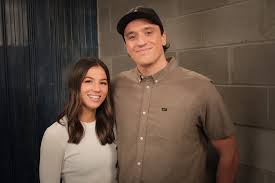
 Denny Chared
 Nicholas Sosiak
 Colin Worrell