Howard Szalavetz
HS Les Immeubles
Conversation forthcoming
Conversations and profiles with the founders, operators and investors building this city.
 Guillaume ThérienCo-Founder and General Partner, Triptyq CapitalAs co-founder of Triptyq’s $41 million fund, Guillaume Thérien looks for more than a promising product. How does he judge whether a founder can build the team to deliver it?
 Denny CharedFounder and CEO, DC FinanceDC Finance convenes more than 6,000 families with roughly US$1.2 trillion in combined investing power. Its founder explains what earns their trust, what closes a door and what a founder’s first approach needs to get right.
 Nicholas SosiakChief Operating Officer, Cannara BiotechCannara generated C$107.3 million in net revenue in fiscal 2025. Its COO explains how genetics, growing conditions and production costs shape the business—and why expansion has to follow demand.
DC Finance convenes more than 6,000 families with roughly US$1.2 trillion in combined investing power. Its founder explains what earns their trust, what closes a door and what a founder’s first approach needs to get right.

Erica Diamond built a blog that reached two million monthly readers through syndication. The coach brings ambition back to a practical question: where are you on your own calendar?
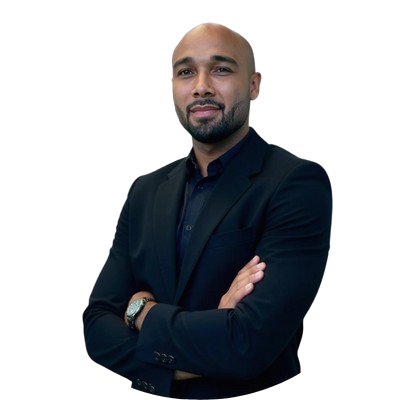
DuraClim reports serving more than 30,000 customers. Jordan Perrin explains the decisions behind a growing service business: knowing what each call costs, reducing travel and giving managers room to lead.
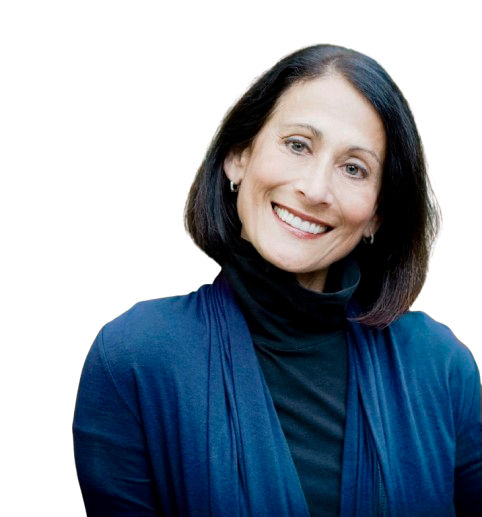
Susan Wener wrote Resilience after surviving cancer twice. Her work with people facing illness challenges an easy instruction: stay positive. What does useful support actually sound like?
As co-founder of Triptyq’s $41 million fund, Guillaume Thérien looks for more than a promising product. How does he judge whether a founder can build the team to deliver it?
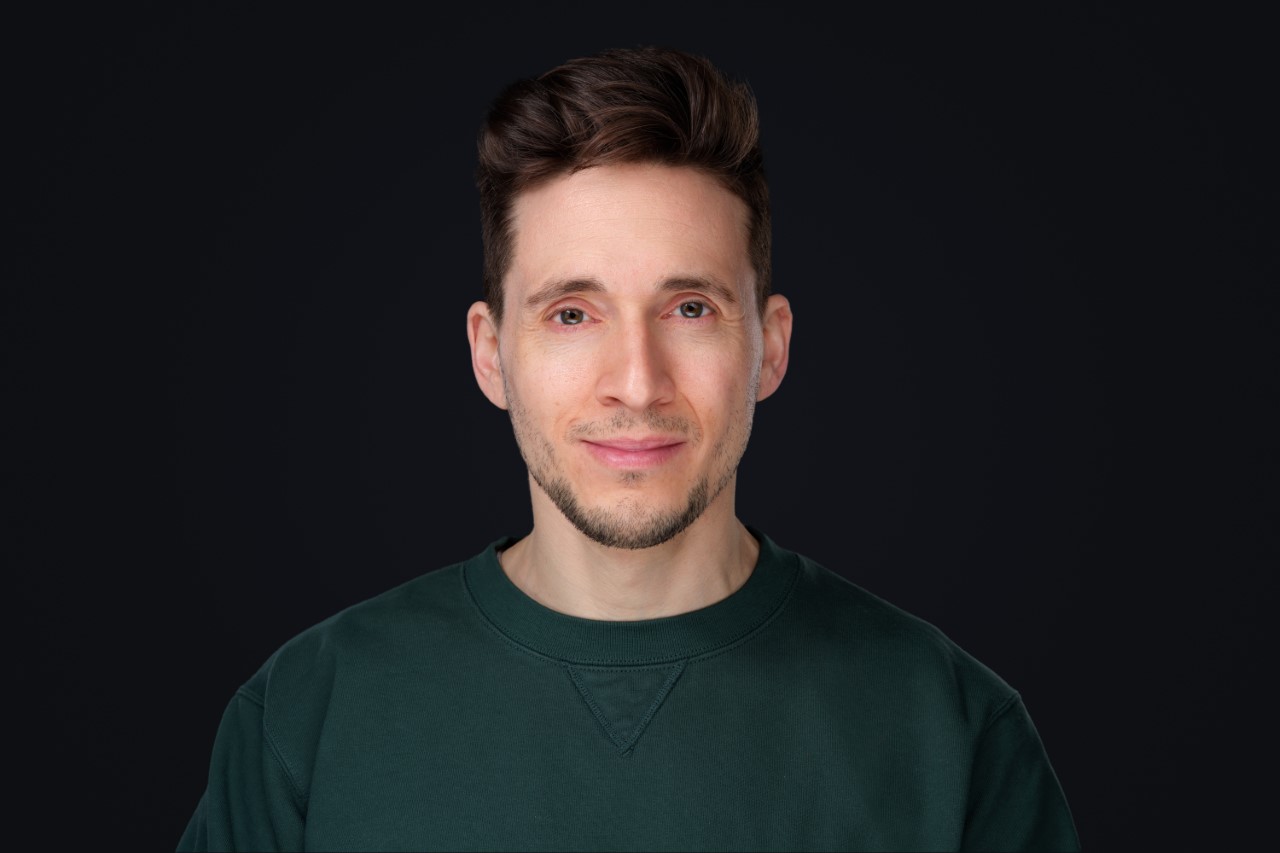
Brasswater’s portfolio spans more than 13 million square feet. Ian Quint explains how he weighs a property, a partner and a price—and what makes him walk away from a deal.
Cannara generated C$107.3 million in net revenue in fiscal 2025. Its COO explains how genetics, growing conditions and production costs shape the business—and why expansion has to follow demand.

Mateina’s revenue grew more than 400% following Tiny’s 2024 investment, the investor reports. Its co-founders discuss the product changes, production deadlines and partnership that took their yerba mate into the U.S.
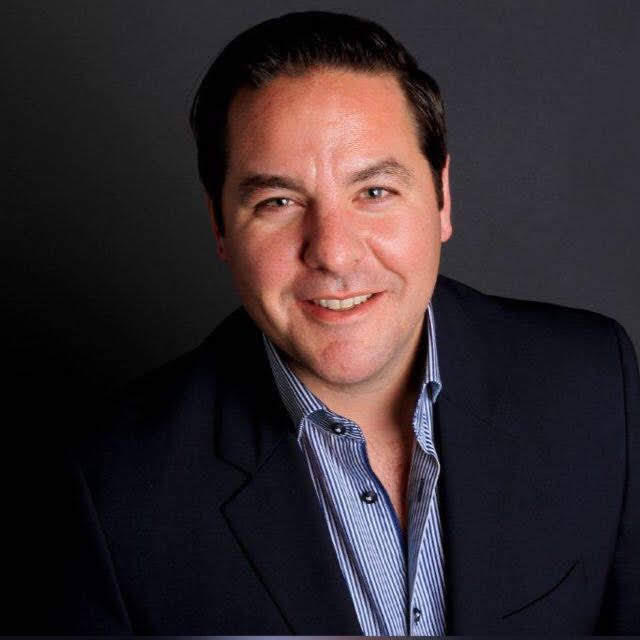
After running a business with 200 employees, Paolo Catania co-founded Metspace. His lesson for other owners: build relationships where people can challenge your thinking, help solve problems and keep you connected.
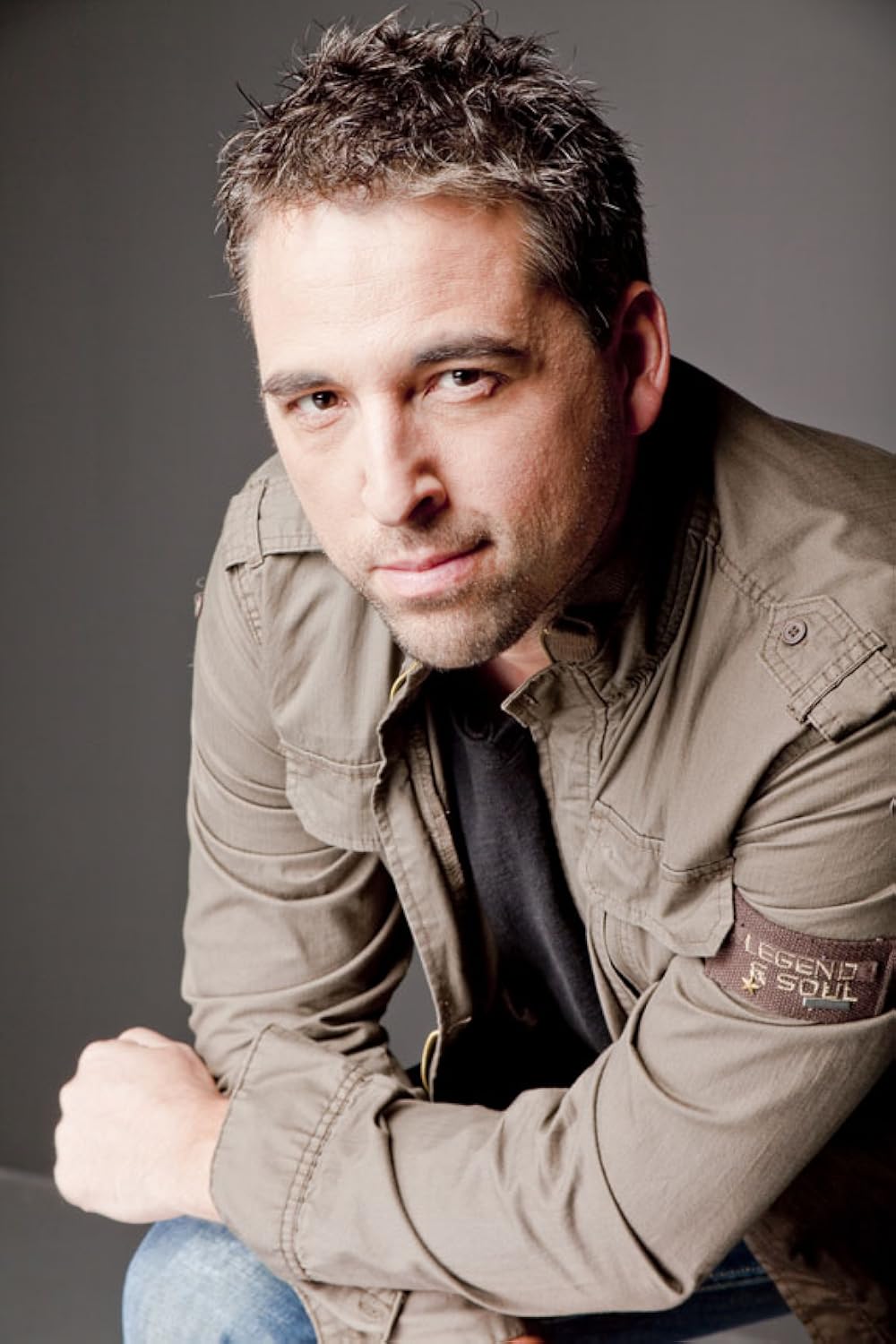
After selling STAK Fitness to Johnson Health Tech, Karim Toupin-Chaieb returned to gym ownership. Now running four Quebec Crunch clubs, he explains how a franchise grows by developing the people already inside it.
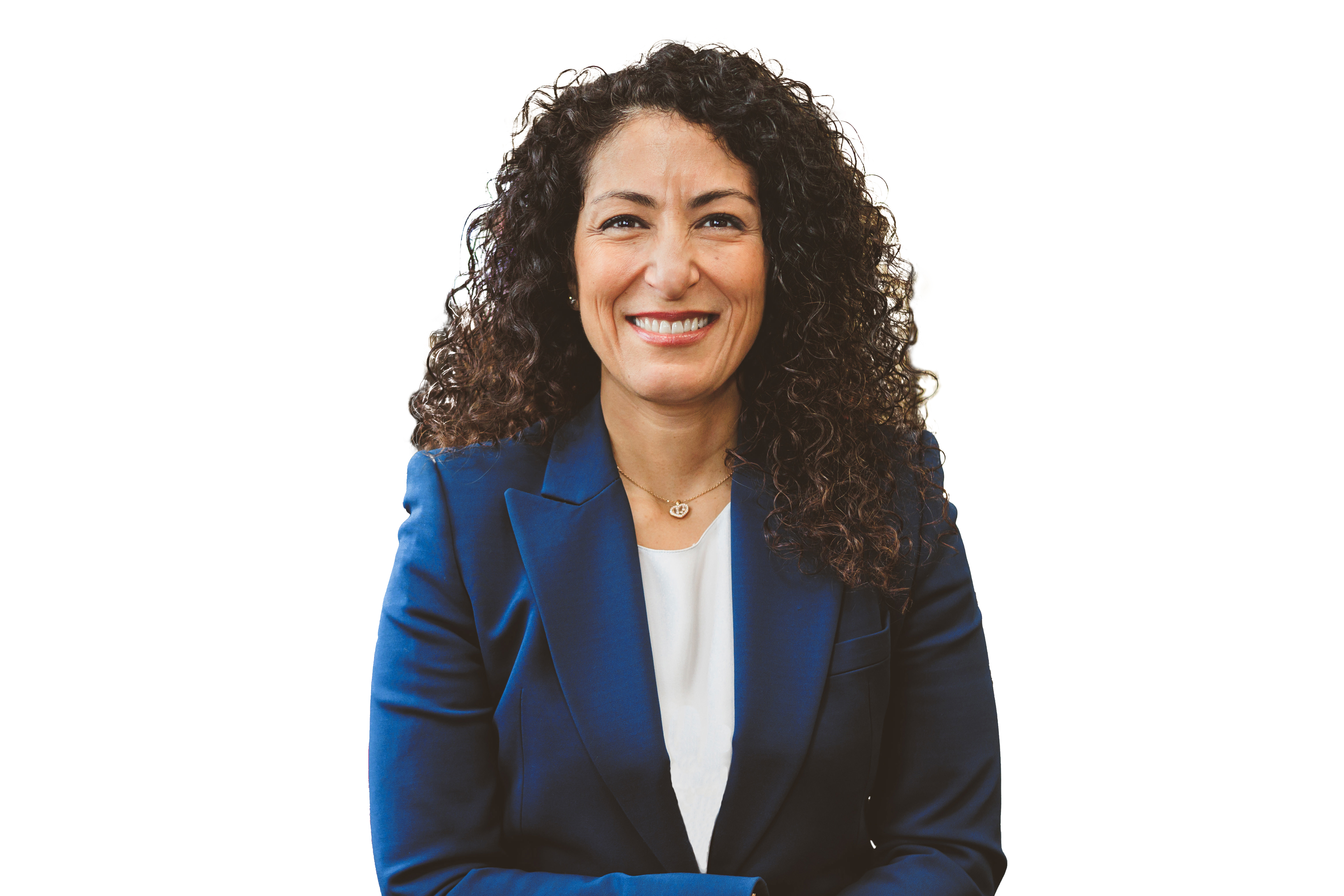
PMML reports more than $6 billion in annual transactions. Its first employee was a programmer. Sanaa Benzakour explains the systems and hiring decisions that allowed the business to grow beyond its founders.
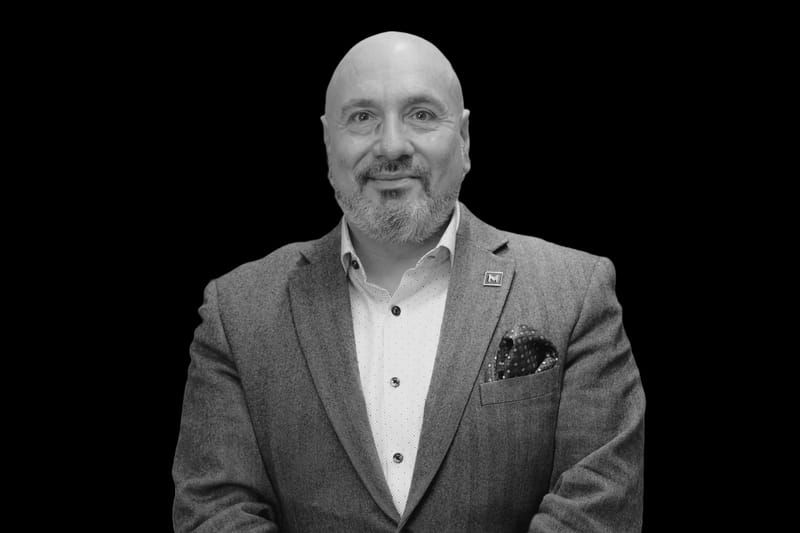
Groupe MACH’s portfolio spans 40 million square feet. COO Vince Di Domenico explains how he develops managers, addresses problems early and keeps decisions moving across an operation with more than 240 properties.
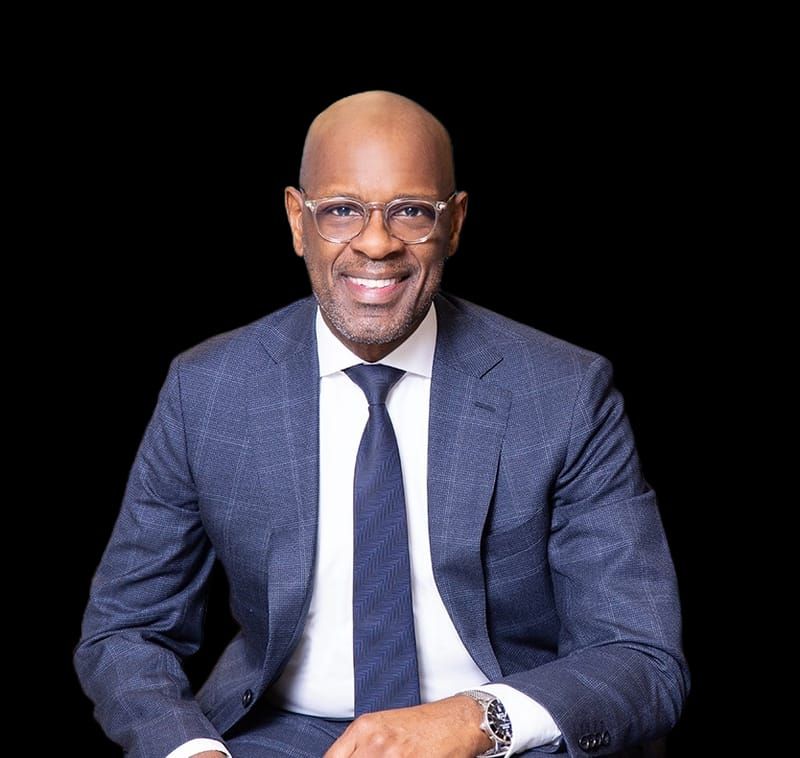
Colin Worrell went from studying music to leading Colliers’ Montreal office. He explains how brokers build expertise, how leaders develop a team and how to open the industry to people without established connections.

BeaverTails has roughly 164 permanent Canadian locations. Pino Di Ioia explains how to build the systems a franchise needs to grow—and protect the experience people came for in the first place.
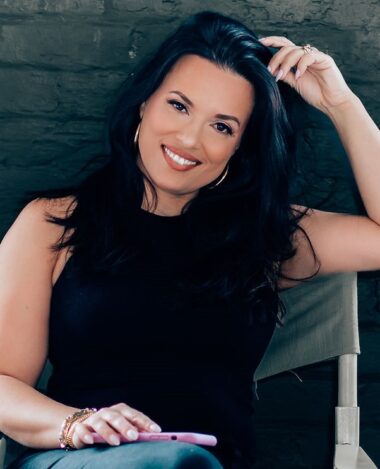
After 20 years in corporate banking, Crystal Baran built a coaching practice around a question success had left unanswered: what do you want outside work? Her approach turns broad ambitions into small, scheduled steps.
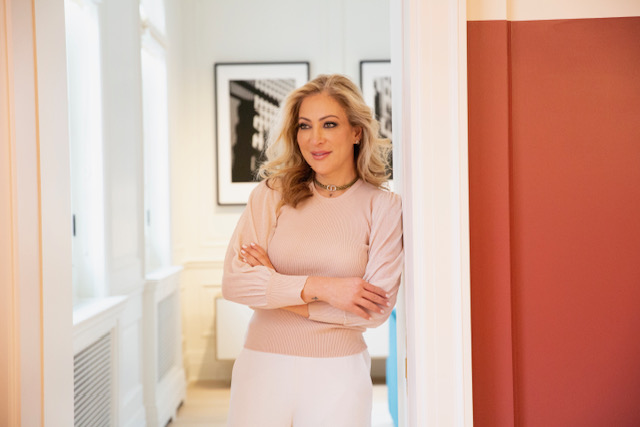
Andrea Soueidan grew Sip N’ Shop from four tables to more than 40. Her method starts before the event: meet the people, build a relationship and give them a reason to return.
After nine years at Crowe BGK, Ann Blanchette built her own accounting practice. She makes budgeting approachable with a three-minute exercise—and explains why owners should ask financial questions before committing their money.
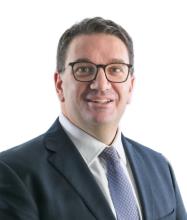
With more than 27 years in commercial real estate, Luciano D’Iorio knows what can change a building’s future. His test for an office-to-housing conversion starts with daylight, floor plans and the infrastructure underground.

Seed Me now reaches more than 300 stores. Mireille Dimitry explains how a snack made for her children became a retail business—and why changing the package from twelve pieces to two helped get it onto shelves.

Artitalia has one million square feet of manufacturing space. Enzo Vardaro’s job is to win a client’s confidence before the product exists. How do you sell something you still have to design and build?
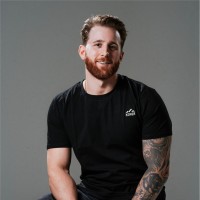
After a roughly $3 million acquisition, Zack Colavecchio says he cut shop costs by about 35%. The work began with listening to experienced employees, improving planning and reducing errors.

Kiid reports more than 100 employer clients. Marie-Pier Hébert turned its need for remote staff into a second business, MPH Solutions. How do you train someone overseas to deliver a service built on local knowledge?

Amlea Legal reports supporting more than 2,000 entrepreneurs. Founder Anne-Edma Louis explains how she built trust before the first consultation, through introductions, articles and video—and made legal questions easier to ask.
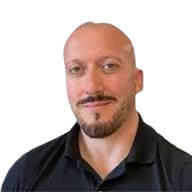
Fabio Zeppilli left law to co-found Bad Monkey, which an investor group acquired in 2020. In this earlier conversation, he explains how listening to retail buyers can change what you make and sell.
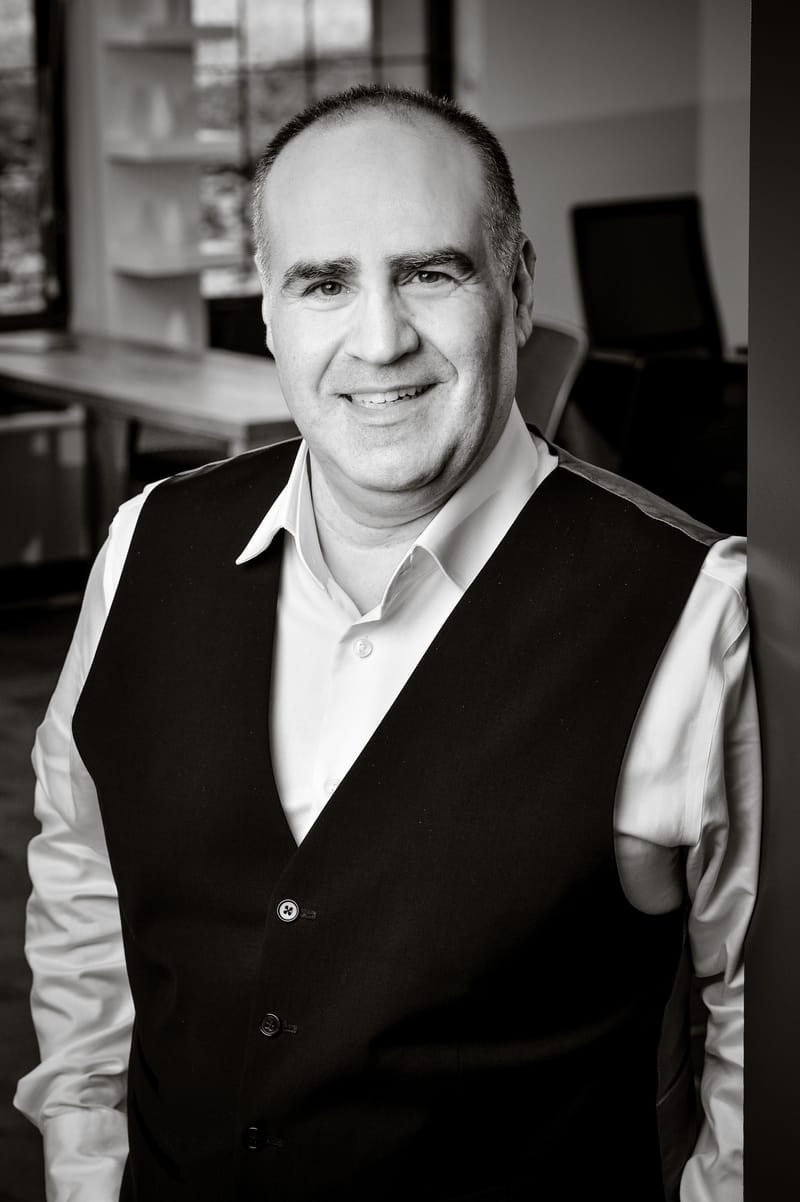
Nulook’s sales doubled in the post-pandemic recovery, Zvi Shapiro recalls. He explains how relationships with schools and new uses for the company’s trucks and crews opened business beyond office furniture.
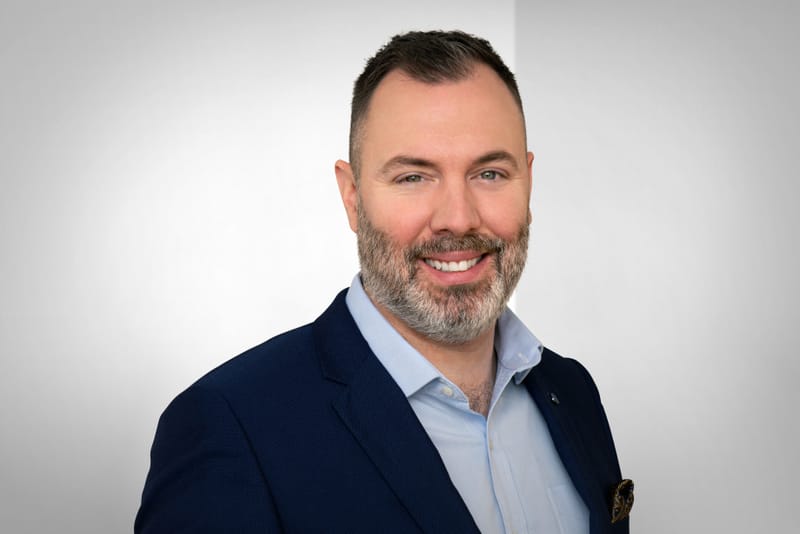
Before co-founding AEVUS, Olivier Doucet Désilets spent a decade investigating fraud and compliance. His approach to family wealth starts by getting the lawyer, accountant and advisor working from the same information.
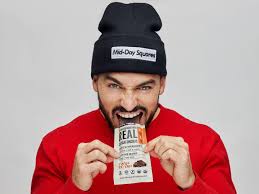
Mid-Day Squares reports more than 70 million squares sold. Co-founder Jake Karls explains how letting people see the founders at work became part of the brand—and how he builds relationships before asking for anything.

Personnel Chez-Vous has served more than 350 Canadian employers. Lora Cerulli explains what she looks for beyond a résumé—and why she visits a workplace before asking someone to build a career there.
The Vault MTL documents founders, operators, and builders whose work has lasting significance. Tell us what you've built and what you'd want to explore.
Submit an introduction →