
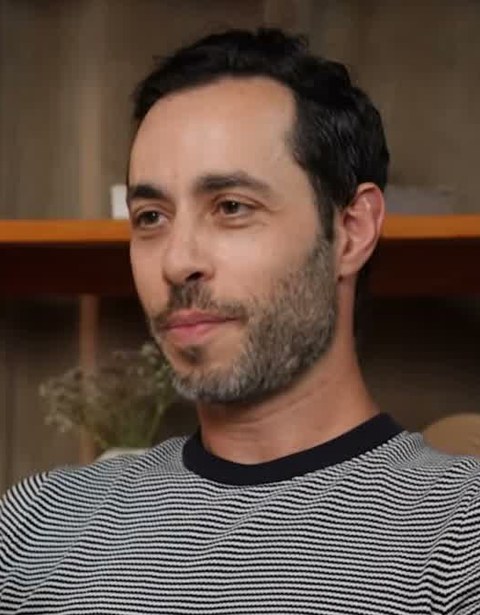
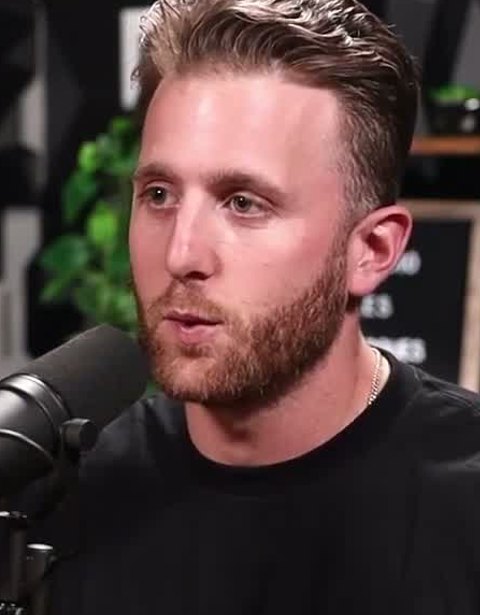
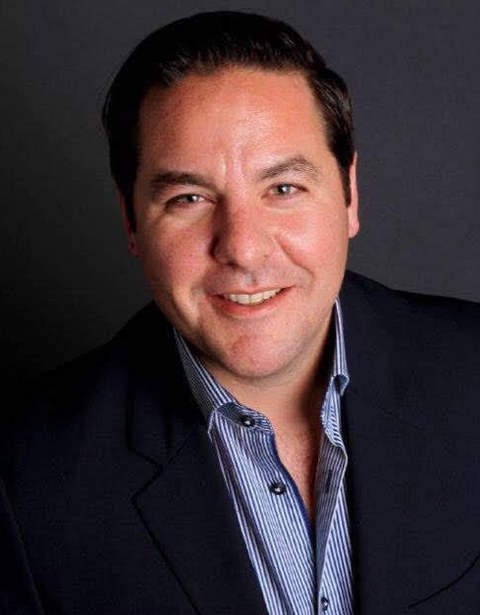

Most people join Randall Ettinger’s TIGER 21 group for the investment advice and the network, he told Cathy Bernard in his conversation for The Vault MTL. Members stay for entirely different reasons.
“It’s one of the only places, maybe for some people the only place in their life, where they could truly be seen.”
The members of his Montreal table have built, and usually sold, at least one business. They average over $100 million each in net investable assets. Once a month, Randall brings them together for confidential discussions that reach from investments and estate planning to family, health and what they want from the years ahead.
He also coaches CEOs and leadership teams at entrepreneurial companies. In both roles, the work is the same: creating a room where people can say what they can’t say anywhere else.
Getting there meant first working out what he wanted from his own working life.
Read Randall’s story ↓Show less ↑
Off the formula
Randall grew up in a close-knit community where he rode his bike and knew the neighbours across the street.
After his master’s, he took a job with a large real estate developer in Toronto. He knew almost immediately that it wasn’t for him. When he proposed an idea, his manager laid out what he could earn if he stayed, year by year.
“We have a formula. Just execute on the formula,” Randall recalls his manager saying.
The pay and prestige would rise, but his working life already seemed mapped out. Randall wanted to choose the direction himself.
He stayed two years, spent a year in management consulting, then returned to real estate. In 2011 he founded Perspective Real Estate Group, and he later co-founded Capstone Developments.
The $0 test
His next chapter began with a question about how he wanted to spend his working life.
“What is the thing that I would do if it were compensated at $0?”
The answer was a meeting he already knew well: his Entrepreneurs’ Organization forum. For years, eight business owners had met and gone away on retreats together, sharing their biggest wins and hardest experiences, the things they couldn’t easily discuss anywhere else.
“I would do this all day. This meeting.”
He wanted to create that kind of space for others. Real estate had been different. The better he got at it, the more competent he became. Getting better at holding these conversations, and seeing them change someone’s perspective, made him want to keep improving.
He built his working life around that answer: chairing a TIGER 21 group and coaching CEOs and their leadership teams.
Finding the work was one thing. Accepting it was another, he says, because what suits him doesn’t always match what works for others. He compares life to a video game: you keep playing the same level until you learn the lesson.
“I tell my wife, I must not be that smart because it’s taken me three or four rounds to learn some lessons.”
Back to the essence
In his coaching, Randall works with CEOs and the leadership teams around them at entrepreneurial companies. Much of the work, he says, is helping people find their way back to themselves.
“I try to bring people back to some essence, because there’s so much noise.”
One of his favourite questions is simple: over the past week, which people, events and interactions gave you energy, and which drained it? A three-hour meeting can leave someone energized; a twenty-minute one can leave them depleted. The reason why, he says, tells him a great deal about the person.
No agenda, no judgment
At his TIGER 21 table, two rules come first: nobody comes with an agenda, and members listen with curiosity instead of judgment. No one pitches, sells or buys from anyone else in the room.
Randall holds himself to the same standard. He has an investment fund of his own, and he keeps it out of the meetings.
“Even if I have a deal on the table, I’m not going to mention it.”
Around this table, he wants members to know that nobody is trying to sell them anything.
Two fears
Randall once asked his group which fears were influencing their decisions more than they would like to admit.
He expected as many answers as there were people at the table. He got two.
Some feared losing everything. Others feared disappointing people.
When he put the same question to another group, he heard the same two fears.
Four pillars
At his TIGER 21 table and with his coaching clients, Randall keeps coming back to four things that social scientist Arthur C. Brooks identifies in his research as essential to a good life: moments of awe, flow or transcendence; family; friendship; and work in the service of others.
They show up in what his members talk about. About 80% of the discussion at his table, he says, is about family, health, friendship, purpose and meaning. The other 20% is about managing wealth and investments.
Drop-off, dinner, bath time
The pillar he guards most closely is family.
Some of that comes from what he hears around the table.
He listens to people talk about their adult children, and about the time they wish they had spent with them.
He and his wife used to travel for months each year. He still feels the pull to go somewhere, and he admits he sometimes complains about it. With young children, he chooses his travel carefully. He wants the morning drop-offs, dinner with his kids and bath time.
He thinks about those routines the way he thinks about compounding. Missing a day matters little on its own. Building a life around being absent is another decision.
So he says no to opportunities in order to be home.
“I will never, ever be able to get that back.”
 Anne-Edma Louis
 Colin Worrell
 Denny Chared
 Enzo Vardaro